


Mountain Bike Lesson
Why Your Past Experience Shapes How You Learn New Skills (Even as an Adult)

Apr
When it comes to learning something new — like mountain bike jumping — you might think it’s all about effort and courage. And while both matter, there’s another factor that plays a huge role: your past experiences and physical background.
Think of skill development like growing a garden.
The Seedling Stage: Everyone Starts Somewhere
Every rider starts as a “seedling” when learning a new skill: fragile, unsure, and figuring out the basics. Some days are strong, some wobbly — that’s normal.
But not all seedlings grow the same way. Imagine two plants:
-
One planted in rich, well-nourished soil, with steady sun and water.
-
One in okay soil, with uneven sun and temperature.
Both are seedlings, but their growth will look very different. The same is true for riders starting a new skill.
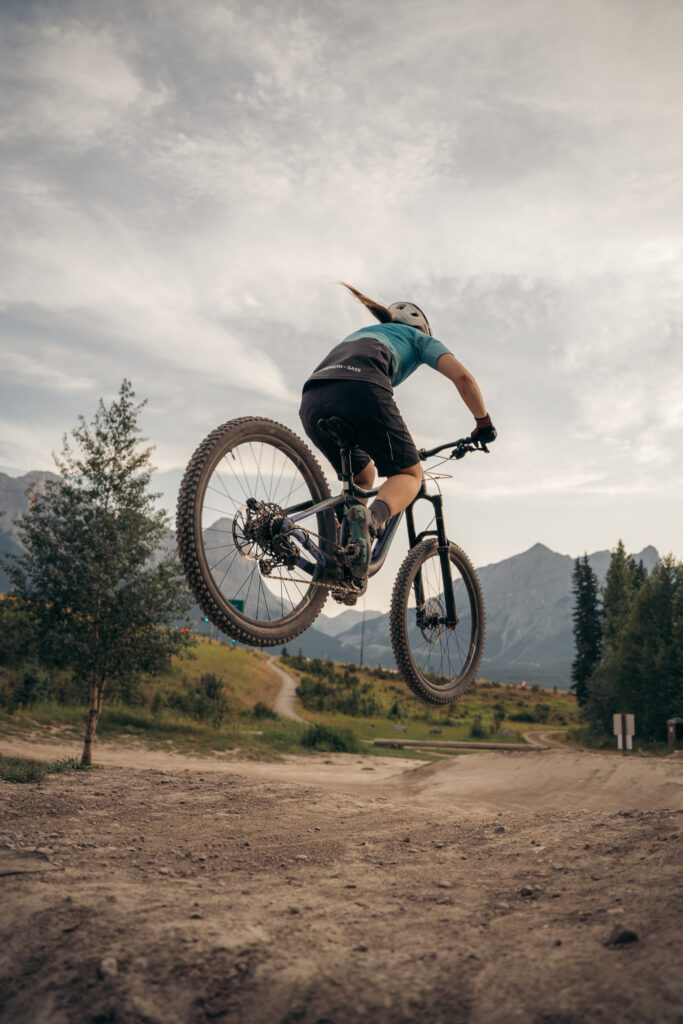
Two Riders, Two Journeys Learning Jumping
Take two people, both 35 and new to jumping:
-
Rider A was a gymnast in her youth and played a variety of sports.
-
Rider B has done various sports but has never experienced being in the air.
Both are “seedlings” starting at jumping. But Rider A’s early gymnastics and varied sports experience act like rich soil, sunlight, and water — giving her spatial awareness, coordination, and confidence that transfer to learning jumps.
After a month:
-
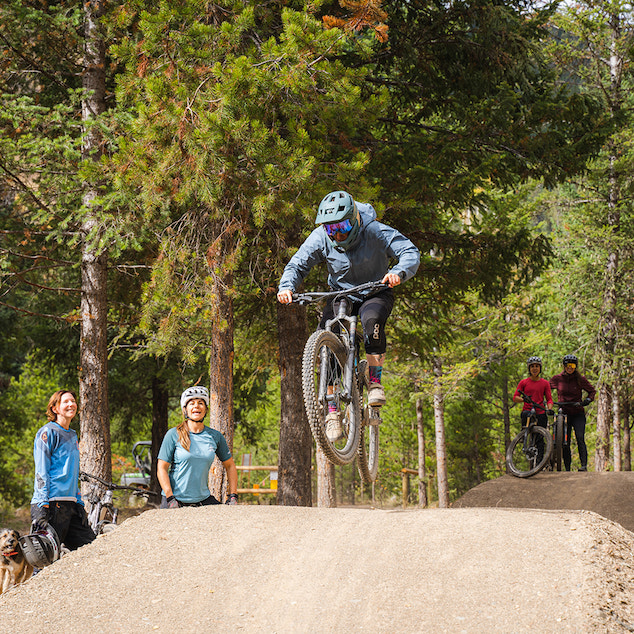
Rider A progresses quickly through blue jumps and may be ready to try drops and more advanced jump progressions within a month or two.
-
Rider B progresses too, but inconsistently. She might feel scared on the same blue jumps and may need to repeat introductory sessions more than once before feeling confident.
This shows that growth isn’t just about effort — it’s also about conditions and past experiences.
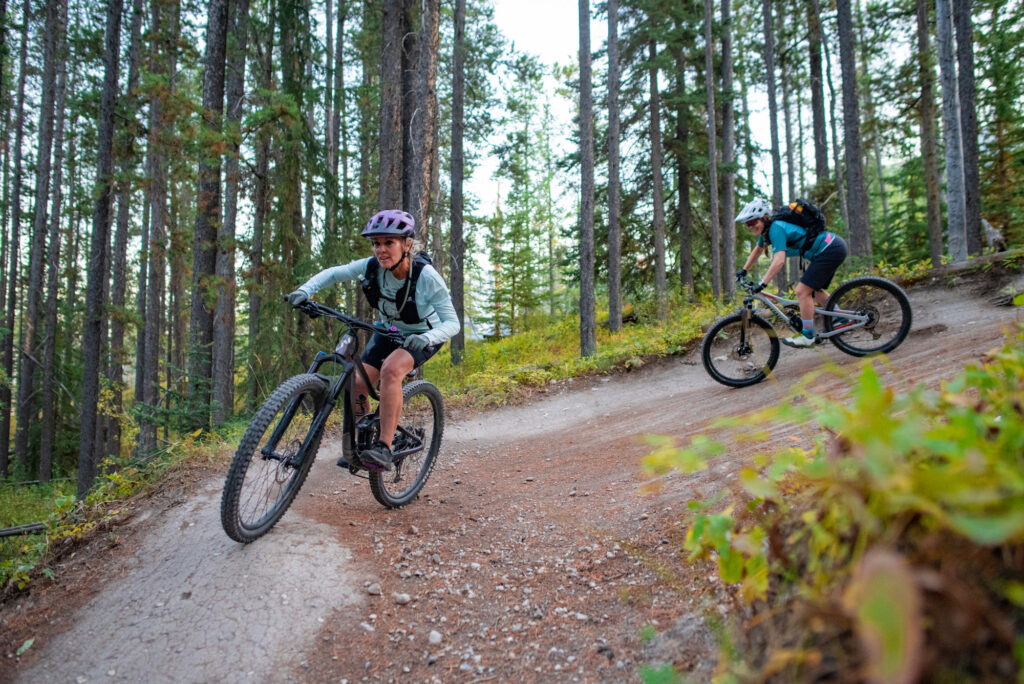
Two Riders, Two Journeys on the Trail
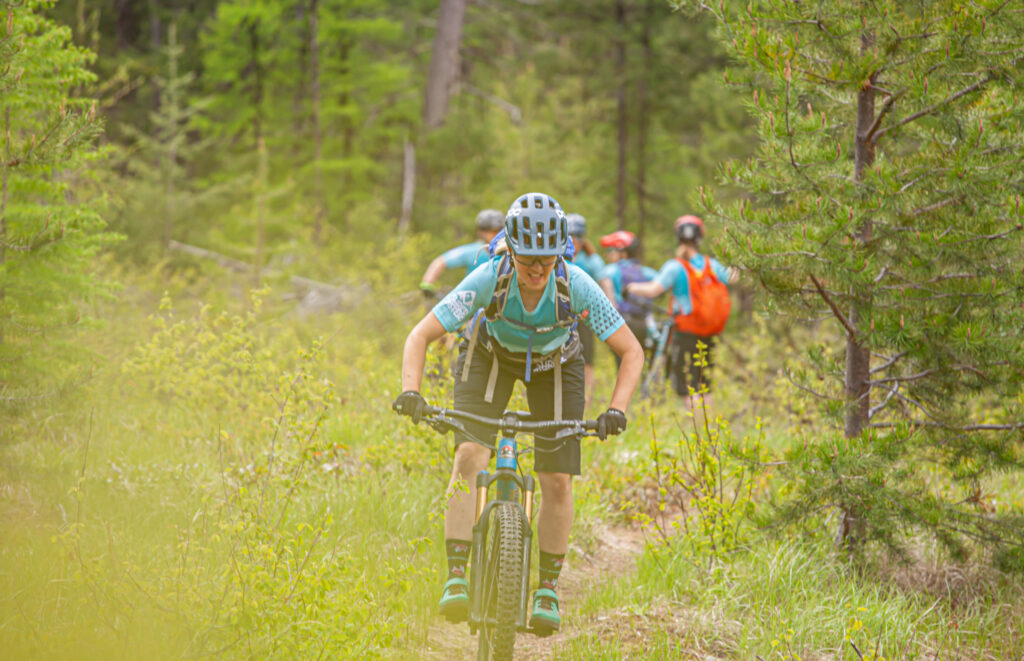
Take two people, both 30 and brand new to mountain biking:
-
Rider C has done road cycling and casual hiking for years. She’s comfortable on a bike, knows how to shift gears efficiently, and has good endurance.
-
Rider D has been mostly sedentary and has only ridden a bike a few times as a kid. She’s excited but unfamiliar with bike handling, balance, and terrain reading.
Both are “seedlings” starting on the trail, but their growing conditions differ. Rider C’s experience on a bike gives her strong balance, pedaling technique, and confidence, like rich soil, sunlight, and steady water that help her skills take root faster.
After a few rides on beginner trails:
-
Rider C quickly learns basic bike handling, climbs efficiently, and can navigate small obstacles confidently. She may be ready for slightly steeper trails within a month.
-
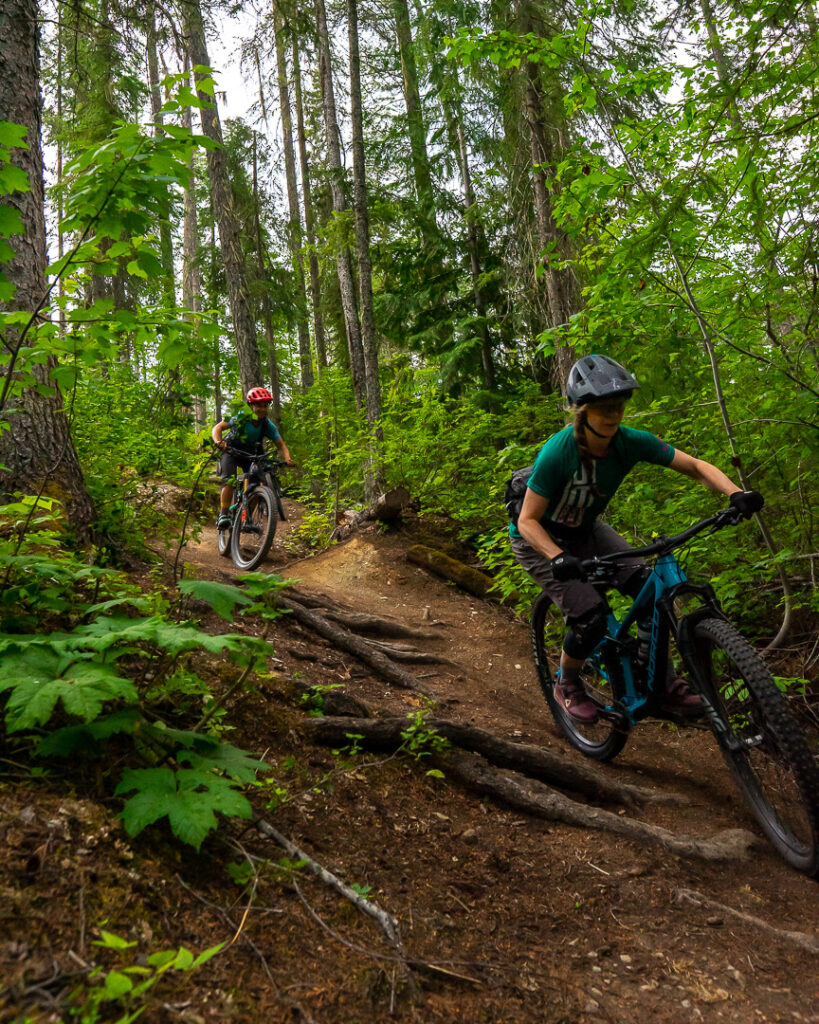
Rider D is progressing too, but more cautiously. She might struggle with balance on loose gravel, hesitate on small roots, and may need to repeat beginner trails several times before feeling confident.
This illustrates that growth isn’t just about time on the bike — it’s also shaped by prior experience and comfort with related skills. Both riders are learning, each at their own pace, and every small step forward is meaningful.
 What Science Says About Youth Experience and Adult Skill Learning
Research in long-term athlete development explains why:
-
Diverse early sports participation builds a strong foundation.
Kids who play multiple sports develop a broad range of motor skills — balance, coordination, agility, and spatial awareness — that help them learn new, complex skills later. -
Early movement experiences influence cognitive and spatial skills.
Activities like gymnastics, climbing, or skateboarding teach you how your body moves in space, improving spatial awareness. These skills transfer directly to sports like mountain biking, especially when learning jumps or drops. -
Timing matters.
During childhood and adolescence, the brain is highly adaptable. Varied physical experiences during this time create neural pathways that make learning new movements easier later. -
Early specialization has limits.
Focusing too early on one sport can limit overall motor skill development. Athletes who specialize later — or who diversify early — often have better long-term adaptability and reduced injury risk.
In Short
Your history matters. Two riders starting the same skill at the same age can progress at very different rates because of their previous experiences. That’s normal — and it doesn’t mean one is “better” than the other. Growth happens in waves, and every step is valuable.
Think of your skill journey like a garden: some seedlings take longer to bloom, some grow quickly, and some need a little extra care. Either way, with patience, practice, and support, every rider can flourish.
